
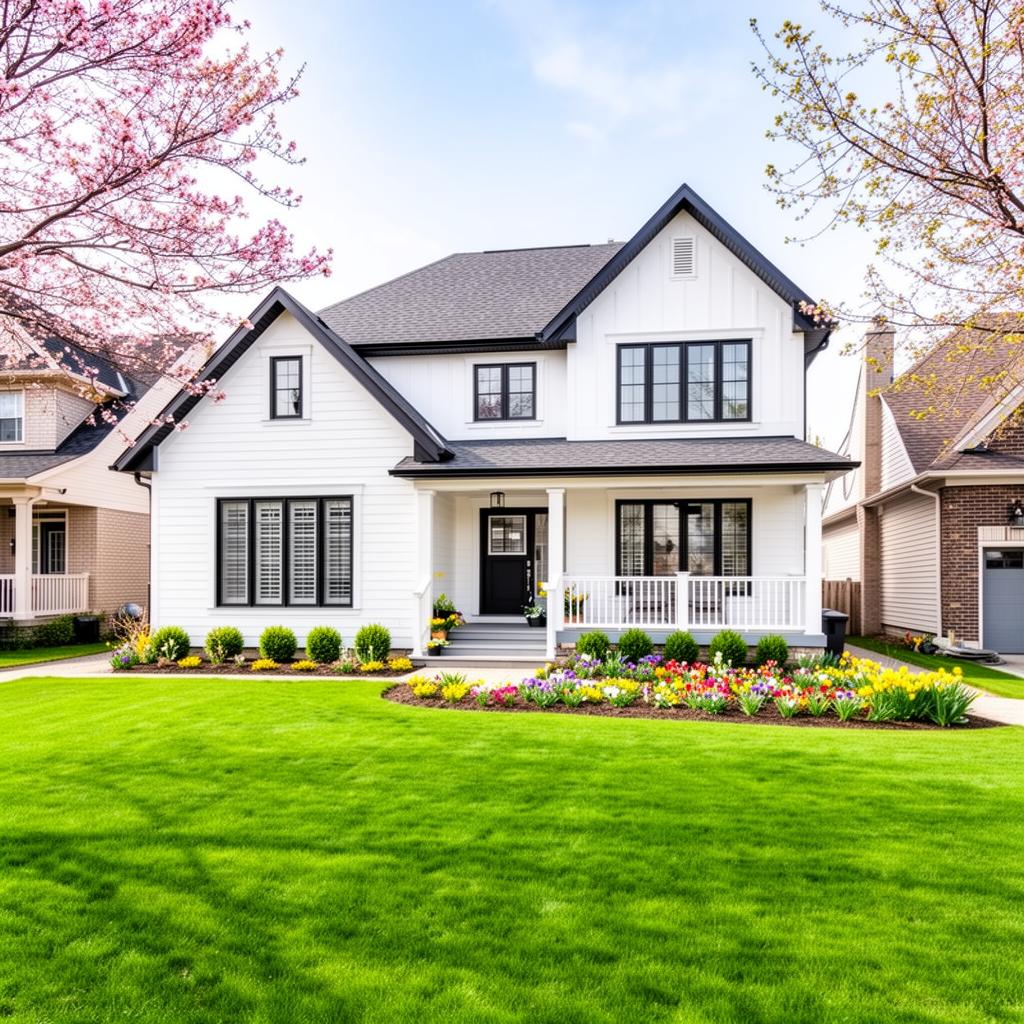
A rooming house is a residential property rented room-by-room to multiple unrelated tenants under separate agreements, rather than as a single unit to one household. This includes multi-tenant rented dwellings and rented condos. Standard landlord insurance often declines or limits coverage for this type of occupancy due to higher liability and fire-risk exposure. The Insurance Lab, a RIBO-licensed brokerage in Whitby, Ontario, works with specialty markets that underwrite rooming houses many standard insurers turn away, with support available in English, Turkish, Arabic, Hindi, and Mandarin.
Overview
Why Rooming Houses Are Harder to Insure: multiple unrelated occupants under separate leases significantly increase both liability and fire-safety exposure compared with a single-household rental. Many Ontario municipalities also require rooming house or lodging house licensing, and insurers expect proof of compliance. Standard insurers price for single-household risk and walk away when the use changes; specialty markets underwrite this occupancy daily and price it on its own merits. Tenants in a rooming house often share kitchens and bathrooms, which is treated as a multi-family exposure rather than a typical rental.
Who Needs This Coverage?
- Landlords renting a house room-by-room to unrelated tenants
- Owners of rented condos with multiple tenants on separate leases
- Investors with multi-tenant dwellings declined by standard insurers
- Operators of licensed rooming or lodging houses in Ontario
- Property managers responsible for multi-tenant residential portfolios
Coverage Details
- Building, equipment and rental income for multi-tenant dwellings
- Commercial general liability appropriate for rooming house occupancy
- Coverage for rented condos with multiple unrelated tenants
- Vacant unit and unoccupied period endorsements
- Replacement cost or actual cash value options
- Sewer backup, overland water and other standard property extensions
Example Scenarios
Six-Room Rented House
A landlord with six unrelated tenants on separate leases is declined by a standard insurer. We place coverage through a specialty rooming house market with full liability.
Rented Condo, Three Tenants
A condo owner rents the unit to three unrelated students; we secure a specialty landlord policy that covers the rental exposure properly.
Licensed Lodging House
An owner who holds a municipal lodging house license gets a tailored property and liability program with the right occupancy classification.
Why Choose The Insurance Lab?
- Specialty markets for multi-tenant and rooming house risk
- Coverage for properties standard insurers decline
- RIBO-licensed Ontario brokerage with daily access to non-standard markets
- Same-day quotes for most rooming house submissions
Single-Unit Rental vs. Rooming House Insurance
| Factor | Single-Unit Rental | Rooming House |
|---|---|---|
| Tenant arrangement | One household, one lease | Multiple unrelated tenants, separate agreements |
| Standard insurer acceptance | Usually accepted | Often declined or restricted |
| Liability exposure | Lower | Higher |
| Municipal licensing | Rarely required | Often required in Ontario municipalities |
Frequently Asked Questions
What counts as a rooming house for insurance purposes?▼
Insurers generally treat a property as a rooming house when it is rented room-by-room to multiple unrelated tenants under separate agreements, rather than as a single unit to one household. The number of rooms, shared facilities and municipal licensing all factor into how the risk is classified.
Can I insure a rented condo that has multiple tenants?▼
Yes. A rented condo with multiple unrelated tenants is treated similarly to a rooming house by underwriters and is usually placed through specialty markets. The condo corporation's master policy does not extend to your unit owner liability or rental exposure.
Why did my insurer decline coverage for my multi-tenant rental property?▼
Standard insurers price for single-household risk and often decline properties with multiple unrelated tenants because of higher liability and fire-safety exposure. Decline does not mean uninsurable, it usually means the property needs a specialty rooming house market.
Do I need a municipal license to get insurance for a rooming house in Ontario?▼
Many Ontario municipalities require rooming house or lodging house licensing, and insurers often ask for proof of compliance. Operating without the required license can void coverage at claim time, so it is important to confirm local rules before binding a policy.
What's the difference between a rooming house and a duplex or triplex?▼
A duplex or triplex is rented as self-contained units to separate households, while a rooming house is rented room-by-room to unrelated tenants who often share kitchens and bathrooms. Underwriters price these very differently, and rooming houses usually require a specialty placement.
Can I get help with rooming house insurance in Turkish or Arabic?▼
Yes. The Insurance Lab provides service in English, Turkish, Arabic, Hindi, and Mandarin. Clients work with a named, dedicated RIBO-licensed broker from our Whitby office serving the GTA and Durham Region, not a call centre.